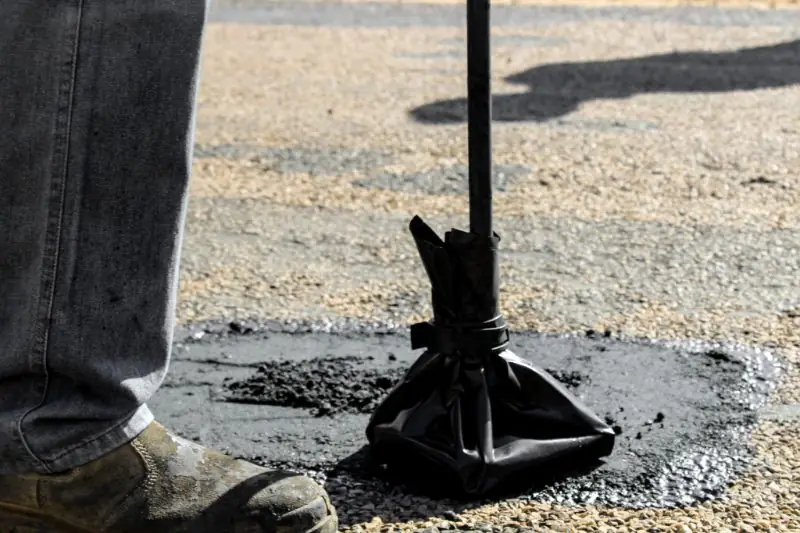
Cracks, spalling, broken edges, and worn surfaces can make otherwise useful concrete look neglected and perform poorly. Concrete repair addresses the specific damage so you can protect the surface and make informed decisions about its future.
Concrete repair addresses damage that affects how a slab looks, drains, and holds up under daily use. That may mean concrete crack repair on walkways, concrete driveway repair along deteriorated edges, chipped steps, worn patios, or damaged joints between slabs. Spalling concrete repair is a different job again, because a flaking surface is wear rather than movement. The right repair is based on what caused the problem, not just on making the surface look better for a few weeks. Our aim is to help you understand the condition and choose a practical path forward.
Omaha concrete takes a beating from freezing temperatures, de-icing products, moisture, vehicles, and normal ground movement. Flaking or scaling on a driveway, cracks that spread across a patio, exposed aggregate, loose edges, and rust-colored staining near reinforcement are all reasons to have the area inspected. A crack is not automatically a replacement verdict, but it can allow water deeper into the slab and base where seasonal movement creates additional damage.
We begin by examining the damaged concrete in person and looking beyond the visible defect. The assessment considers crack patterns, surface wear, depth of deterioration, nearby drainage, slab movement, and the use of the area. Then we explain the available repair approach and where its limits are. In some cases, targeted repair makes good sense. In others, lifting a settled section or replacing a failed area may offer better long-term value.
Preparation is a major part of a lasting concrete repair. Loose and compromised material must be removed, the area cleaned, and the repair zone readied so new material can bond and perform as intended. We work carefully around adjoining surfaces and explain any curing or traffic restrictions that apply. Whether the damage is near a driveway off 72nd Street or a front walk near Memorial Park, the finish is planned to suit the location rather than treated as an afterthought.
A thoughtful repair can reduce tripping risks, slow water intrusion, improve the appearance of an entry, and keep a manageable issue from spreading. Slabsmith Concrete Lifting serves the Omaha metro, and we bring an honest, problem-solving approach to each site. We do not treat every crack the same way. Instead, we identify whether movement, drainage, surface wear, or impact damage is driving the issue and recommend work that fits the actual condition.
If damaged concrete is affecting your curb appeal, access, or confidence in the surface, an evaluation can provide useful answers. We will discuss what can be repaired, what should be monitored, and when replacement may be the smarter investment. If you have been searching concrete repair near me and comparing concrete repair contractors, contact us for Omaha concrete repair and get a clear plan for restoring the areas you rely on.
Practical answers about repairing damaged concrete around Omaha, and when repair is the wrong tool.
How do you repair damaged concrete?
It depends entirely on what is actually wrong, and the first job is telling the difference. Concrete fails in several distinct ways and each calls for a different response.
Cosmetic cracking. Fine, stable hairline cracks from normal shrinkage. Usually sealed to keep water out, and often no more than that.
Active movement. A crack that is widening, or where one side is higher than the other. Sealing it alone will not hold, because something underneath is still moving.
Settlement. The slab is sound but sitting too low. This is a lifting job, not a repair job. See concrete lifting and leveling.
Spalling. Surface flaking and pitting, usually from de-icing salt and freeze cycles. Patching can restore a sound walking surface but will always be visible.
Edge and corner damage. Broken edges at joints and aprons, commonly from vehicle load. Rebuilt with repair mortar where the surrounding concrete is solid.
We identify which of these you have before recommending anything, because the wrong repair on the wrong failure is money spent twice.
Can you repair concrete without replacing it?
Often yes, provided the body of the concrete is still sound. Repair works on the surface and the edges. It does not rebuild concrete that has lost its integrity all the way through.
Good candidates: isolated cracks in an otherwise solid slab, broken edges and corners, localised spalling, damaged joints, and slabs that have simply settled and need raising rather than repairing.
Poor candidates: a slab that crumbles when you scrape it, one broken into many pieces, or one where the surface is delaminating over a wide area. At that point a repair is cosmetic and short lived, and replacement is the honest recommendation.
If what you are weighing up is a new surface layer against correcting the level of the slab, concrete leveling vs resurfacing sets out which one fixes which problem.
Is it cheaper to replace or repair concrete?
Repair is almost always cheaper up front, sometimes by a wide margin, because there is no demolition, no haul-away, no disposal and no new pour. The question is whether it is cheaper over the life of the slab.
Repairing sound concrete with a localised problem is good value. Repeatedly patching a slab that is failing across its whole surface is not, and owners often spend more in successive repairs than a replacement would have cost.
The deciding factor is the proportion of the slab that is still good. When most of it is sound, repair wins clearly. When most of it is compromised, replacement wins even though the invoice is larger.
How much is concrete repair work?
We quote from an on-site look rather than over the phone, because the drivers vary so much between jobs that a phone number would be a guess.
What sets the price:
Type of damage, since crack sealing, spall patching and edge rebuilding are different work
Total area affected, and whether the damage is isolated or spread across the slab
Depth of the damage and how much sound concrete remains around it
Surface preparation needed before anything bonds properly
Access to the area for materials and equipment
Whether settlement is also present and lifting is needed alongside repair
If the underlying issue turns out to be settlement rather than damage, the scope changes entirely, which is another reason we look first.
Is it worth filling cracks in concrete?
It is worth it when the crack is stable and the goal is keeping water out. It is not worth it, on its own, when the crack is a symptom of something still moving.
Water is what turns a small crack into a real problem in this climate. It gets in, freezes, expands and widens the crack, and it also carries fine soil out from under the slab. Sealing a stable crack interrupts that cycle cheaply.
But if one side of the crack sits lower than the other, or the gap is visibly widening season to season, filling it treats the symptom. Something underneath is moving and that needs identifying first, or the filler simply cracks again along the same line.
What is the most common way a concrete repair fails?
Poor bond, almost always traced back to preparation.
Repair material has to key into clean, sound concrete. If it is placed over dust, loose material, a weak crumbling surface, or concrete that was still damp in the wrong way, it releases. That failure often does not show immediately. It shows after the first freeze cycle, when water gets into the bond line and lifts the patch off.
The second most common failure is repairing the wrong thing. A patch placed across a crack that is still moving will crack again in the same place, usually within a season, because the repair never addressed why the crack was there.
What are the common mistakes to avoid in concrete repair?
Four that account for most of the disappointing outcomes we get called out to look at.
Skipping diagnosis. Patching visible damage without asking why it happened. If settlement or drainage caused it, the patch is temporary.
Inadequate preparation. Not removing loose and unsound material back to solid concrete, so the repair has nothing to bond to.
Wrong material for the job. A product suited to a thin surface patch behaves differently from one meant for a structural edge rebuild.
Expecting an invisible result. New material does not match weathered concrete. A good repair is sound and safe, not undetectable, and any contractor promising otherwise is overselling.
What questions should you ask a concrete contractor?
Ask questions that force a diagnosis rather than a quote.
What is actually causing this, settlement, surface damage, movement or normal wear?
Why this repair rather than the alternatives, and what happens if I do nothing this year?
Is water reaching this slab, and does anything need to change about drainage?
What will it look like when finished, and how visible will the repair be?
What is not covered by this work?
Is any part of this better solved by replacement?
A contractor who answers the last one honestly is worth more than one who says everything can be repaired. If the answer to the first question is settlement, the conversation should move to lifting and leveling rather than repair.
Why Omaha Homeowners Choose Slabsmith for Concrete Repair
Licensed, Insured and Accountable
We carry General Liability and Workers' Compensation insurance and hold a Nebraska contractor registration. You are protected against job-site accidents and unfinished work, and you are dealing with a local business, not a crew passing through.
Omaha Soil Smarts
Omaha's clay soils swell when wet, shrink in drought, and heave during freeze-thaw cycles. Our crews know where subsurface water collects in your neighborhood, so we treat the cause, not just the symptom.
Straight Talk, No Upsell
Every job starts with a free, no-pressure inspection and a line-item quote. If the slab is too deteriorated or the base is washed out, we say so. We recommend replacement when lifting is not the right call, because a short-term patch wastes your money.
Same-Day Results
Most residential lifts are finished in one day. We inject lightweight polyurethane foam that cures fast and leaves no ruts from heavy equipment. You can park or walk on the slab within hours of completion.
How Our Concrete Repair Process Works
You call or book online. Our team answers during business hours. We ask for your address, the type of concrete trouble, and a few photos if you have them. Most Omaha metro calls receive a free inspection appointment within 24 to 36 hours, often the next day.
We inspect your concrete. The owner or a senior technician visits your property to assess settled slabs and check for the expansive clay soil that causes Nebraska foundations to shift. The evaluation takes about 45 minutes. If we see full-depth cracks or severe deterioration, we will tell you replacement is the smarter investment.
You get a clear, fixed-price quote. We email a fixed-price proposal the same day, covering all drilling, material, labor, patching, and cleanup. No surprise fees. We do not push for a signature on the spot.
We lift and level the concrete. Our crew drills small, penny-sized holes and injects polyurethane foam or grout to raise the slab back to proper grade. We fill the injection holes and seal visible cracks. You can walk on the surface right away.
We clean up and stand behind the work. We wash down the area, remove all debris, and leave the site clean. If you have any concerns after the lift, call us and we return to assess at no charge.
Omaha Permits and Building Codes
Concrete lifting and leveling in Omaha is regulated by the City of Omaha Permits and Inspections Division. Most residential driveway, patio, and walkway repairs require a building permit. Work touching the public sidewalk or curb line also requires a right-of-way permit. Permit fees for minor flatwork typically run from $50 to $100 depending on project size and location, and simple residential reviews usually take 1 to 5 business days. We check your exact scope, prepare the application, and pull the required permit before work begins.
Omaha averages about 30.6 inches of precipitation per year, and winter lows often reach 13 degrees F. Repeated freeze-thaw cycles and clay soil expansion cause slabs to move, crack, and lose support. Wet springs add water to voids under concrete, while dry summers shrink the soil and make leveling less predictable when drainage is poor.
We find April, May, early June, September, and October to be the most reliable windows for polyurethane foam lifting. Soil is workable and not saturated during those months. Lifting is possible in summer, but dry clay may require more material. We will tell you if waiting or replacing is the better value for your situation.
Put Your Concrete Concern In Motion
Get a clear, site-specific recommendation from a team that knows Omaha concrete conditions. Contact us today to arrange your free estimate and discuss the right next step.
Or fill out the form and we'll be in touch shortly.
Get a Free Quote
Customer Reviews
What Omaha Homeowners Say
★★★★★
Joints along the front walk had deteriorated enough that you could see water sitting in them after rain. Slabsmith cleaned them out and resealed the way it should have been done originally. The walk looks like it was maintained, not patched.
★★★★★
I have had contractors patch cracks and make the result look worse than the crack did. Slabsmith told me ahead of time what the color match would look like, what would fade and what would not. The result was what they described. No surprises.
★★★★★
They told me flat out that one section of the walk was too far gone for repair and I should get a concrete contractor to replace it. They could have patched it and taken the money. That honesty is why I sent two neighbors their way.